
Winning big: essential tips for casino enthusiasts
The Illusion of Winning
One of the most enticing aspects of gambling at casinos is the perception of winning big, where many players are drawn in by the glitz and glamour of the gaming floor, often neglecting to consider the odds stacked against them. Despite the occasional jackpot that makes headlines, the reality is that most players will experience losses more often than wins, which is why some turn to the best online casinos in hopes of improving their chances. This misconception can lead to additional spending as gamblers chase their losses, believing the next spin or card will turn their fortunes around.
Furthermore, the marketing tactics employed by casinos contribute to this illusion. Promotions, bonuses, and advertisements often showcase winners, creating a sense of false hope among players. This can lead to an emotional investment in the game that clouds judgment. The excitement associated with potential wins can overshadow the inevitable losses, creating a cycle of spending that many players find difficult to escape.
In addition to the allure of winning, gamblers must be mindful of the emotional toll that this chase can take. The highs of potential success can lead to riskier behavior, while the lows can result in feelings of frustration and despair. Understanding the reality of the odds and setting strict limits on time and money spent at casinos can help mitigate the hidden costs and prevent emotional fallout from gambling.
House Edge and Game Selection
Every game in a casino has a built-in advantage for the house, commonly referred to as the house edge. This means that regardless of skill level, players should expect to lose a percentage of their wagers over time. For example, games like slots can have a house edge ranging from 2% to 15%, while table games like blackjack typically have a lower edge when played with optimal strategy. Players who do not understand this concept may overestimate their chances of winning and end up spending more than they intended.
Choosing which games to play can significantly impact the hidden costs associated with gambling. Players often gravitate towards flashy slot machines or complicated table games without recognizing the inherent risks. A better understanding of game mechanics, payout structures, and odds can empower gamblers to make informed decisions and potentially reduce losses. However, many still fall prey to the excitement of new games and promotions, inadvertently increasing their financial exposure.

Additionally, it’s important to consider the psychological aspect of game selection. Players may favor games that provide instant gratification, which can lead to impulsive decisions and unexpected expenses. The thrill of spinning the reels or the rush of placing a bet can overshadow the critical thinking needed for responsible gambling. Knowledge and awareness can help players limit their exposure to the hidden costs of their gambling habits.
Lifestyle Costs Associated with Gambling
Gambling doesn’t just impact players financially; it can affect their overall lifestyle as well. Many people overlook the hidden expenses tied to visits to casinos, such as transportation, meals, and hotel stays. The cost of getting to a casino can quickly add up, particularly for those who travel long distances or take frequent trips. These expenses can compound the financial effects of losing bets, making it crucial for gamblers to account for the overall cost of their gambling outings.
Moreover, social activities surrounding gambling can lead to further spending. Dining at upscale restaurants, enjoying entertainment shows, or participating in other attractions can significantly inflate the total cost of a casino visit. While these experiences can provide enjoyment, they can also create financial strain, especially for those who are already losing money at the tables or machines. It’s essential to strike a balance between having fun and maintaining financial responsibility.
The impact of gambling on personal relationships should not be underestimated either. As gamblers spend more time and money at casinos, they may unintentionally neglect family and friendships. The hidden costs extend beyond mere financial expenditure to include emotional and social facets. Having open discussions with loved ones about gambling habits and setting boundaries can help mitigate these lifestyle costs, enhancing both personal wellbeing and financial stability.
Compulsive Gambling and its Consequences
One of the most severe hidden costs of gambling is the potential for developing a gambling addiction. Compulsive gambling can have devastating effects on an individual’s life, leading to financial devastation, mental health issues, and the deterioration of personal relationships. It is crucial for gambling enthusiasts to recognize the signs of problematic behavior and seek help when necessary. Many gamblers start out enjoying the thrill of betting but may find themselves in a cycle of dependency, unable to control their urges.
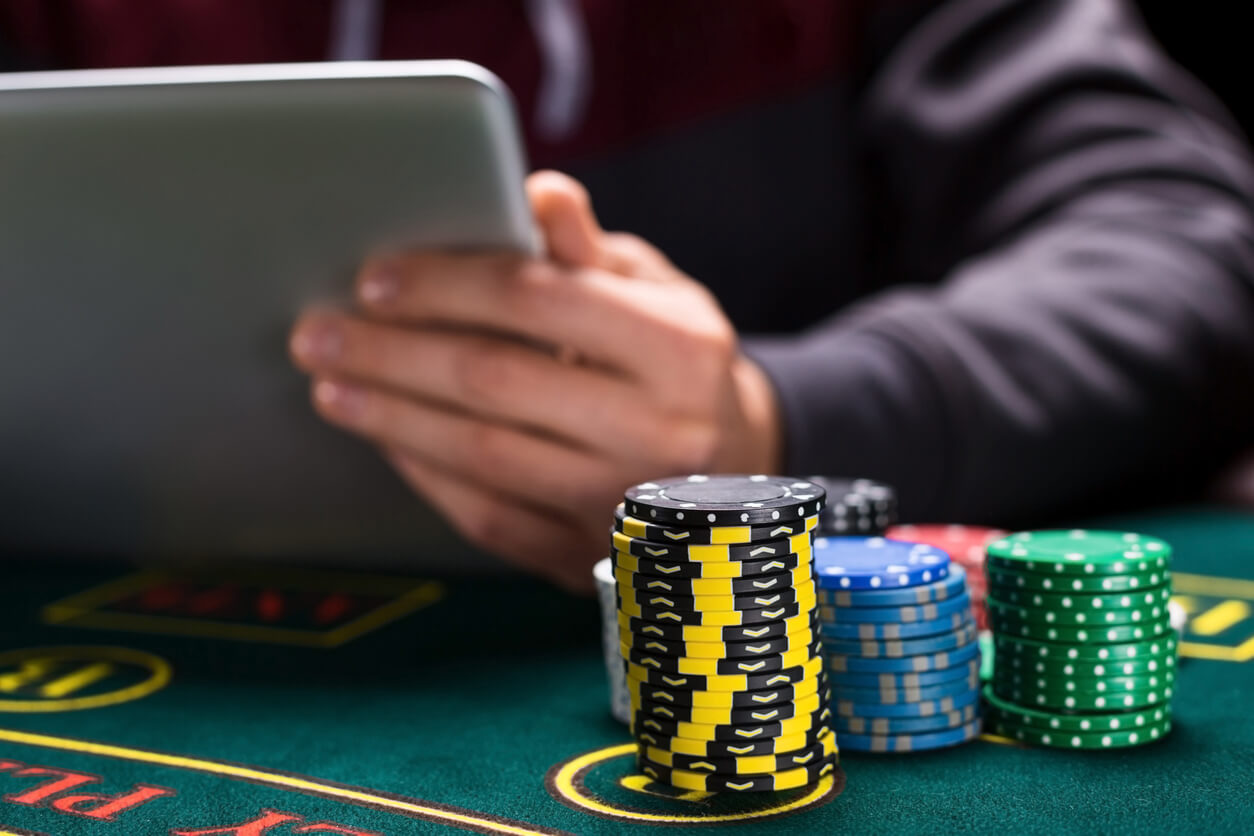
The societal costs associated with problem gambling are also significant. Increased healthcare costs related to mental health, legal issues stemming from financial strain, and reduced productivity in the workplace can all be traced back to compulsive gambling behaviors. These consequences affect not only the individuals involved but also families and communities. By addressing the risks associated with gambling addiction, individuals can better understand the true costs of their behavior and take steps to protect themselves.
Support systems play a pivotal role in helping individuals confront their gambling habits. Many organizations and local programs offer resources for those struggling with addiction. Awareness and acceptance of the potential for addiction can lead to proactive measures to prevent compulsive behavior from developing, reducing hidden costs and improving quality of life. Recognizing that gambling should be an entertaining pastime, rather than a way to cope with life’s challenges, is essential for responsible gambling.
Understanding Responsible Gambling Resources
The landscape of gambling today emphasizes the importance of responsible gambling resources. Many casinos and online platforms provide tools to help players manage their gambling habits. These resources may include budgeting tools, self-exclusion programs, and access to counseling services. Being informed about these resources can help players minimize hidden costs and maintain control over their gaming experiences.
Education is a vital component of responsible gambling. Players should take the initiative to learn about the odds, house edge, and the potential for addiction, as well as how to recognize when their gambling is becoming problematic. Resources such as workshops, support groups, and informational websites can equip gamblers with the necessary knowledge to make wiser decisions. Emphasizing education can lead to a more sustainable approach to gaming that prioritizes enjoyment over financial strain.
Moreover, the importance of transparency in casino offerings cannot be overstated. Casinos have a responsibility to provide clear information regarding game odds and responsible gambling initiatives. This transparency can empower players to make informed choices, ultimately reducing the likelihood of incurring hidden costs. Encouraging players to take advantage of the tools available fosters a gaming environment where responsible practices are the norm, rather than the exception.


